In the fast-paced world of logistics, having a reliable partner for semi towing services is more than just a convenience; it is a necessity for business continuity. Heavy-duty vehicles face unique challenges on the road, ranging from mechanical failures to complex recovery needs after an accident. By exploring the technological advancements, regulatory frameworks, and safety protocols that define modern towing, we can better appreciate the specialized labor that keeps American highways clear and functional.
1. Understand What Semi Towing Services Entail
Semi towing services rely on an array of advanced technologies to perform their duties effectively. Heavy-duty tow trucks are equipped with powerful winches and hydraulic systems to manage the immense weight of semi-trailers. Additionally, rotator tow trucks have crane-like arms that can rotate 360 degrees, making them adept at recovering vehicles from precarious positions. Flatbed towing is often used to relocate vehicles without additional damage, which is essential for seriously damaged semis. The diversity in towing technology ensures various solutions for different scenarios, emphasizing the industry's adaptability to challenges. Beyond the hardware, time is of the essence in the transport industry, and a swift response from semi towing services can be critical. In the event of a breakdown or accident, a prompt towing response prevents extended downtime, which can lead to significant financial losses for a fleet.
Quick response times are often facilitated by GPS tracking and real-time communication technologies that allow dispatchers to find the nearest operator. These systems enable centers to assess the closest unit available and ensure an expeditious arrival. The value of rapid service is echoed by current market trends. For instance, according to Fortune Business Insights, the U.S. roadside assistance market size is projected to expand from USD 5.99 billion to USD 7.73 billion by 2029. This growth highlights the increasing reliance on professional infrastructure to keep roads moving. Furthermore, the array of equipment used in semi towing is designed to accommodate the diverse needs of the service. Among the most vital tools are heavy-duty chains and hooks, essential for stabilizing and securing towed vehicles.
2. Implement Safety Measures in Towing Services
Safety training is critical for towing professionals, who must be prepared for the diverse challenges encountered in semi towing services operations. Training typically includes the operation of specialized equipment, recognition of vehicular hazards, and safe recovery techniques. Furthermore, operators must be adept in assessing scene safety and executing efficient traffic management when operating on busy roads. A significant component of professional training is risk assessment, enabling operators to evaluate and mitigate potential dangers before towing. This rigorous training safeguards both the operator and the asset being towed, ensuring high safety standards. During recovery operations, safety protocols are indispensable to prevent injuries and property damage. These procedures include traffic control methods such as the use of cones, signs, and high-visibility clothing to make the attended scene more secure.
Clear communication channels between operators and their crew are also essential to coordinate efforts and avoid misunderstandings. Additionally, operations are often conducted with the support of safety spotters who provide an extra layer of oversight, monitoring for any potential risks. Technology also plays a crucial role in enhancing safety within semi towing services. The implementation of telematic systems allows for real-time monitoring of vehicle status and the environment, informing operators of potential hazards.
3. Manage Different Vehicles and Recovery Situations
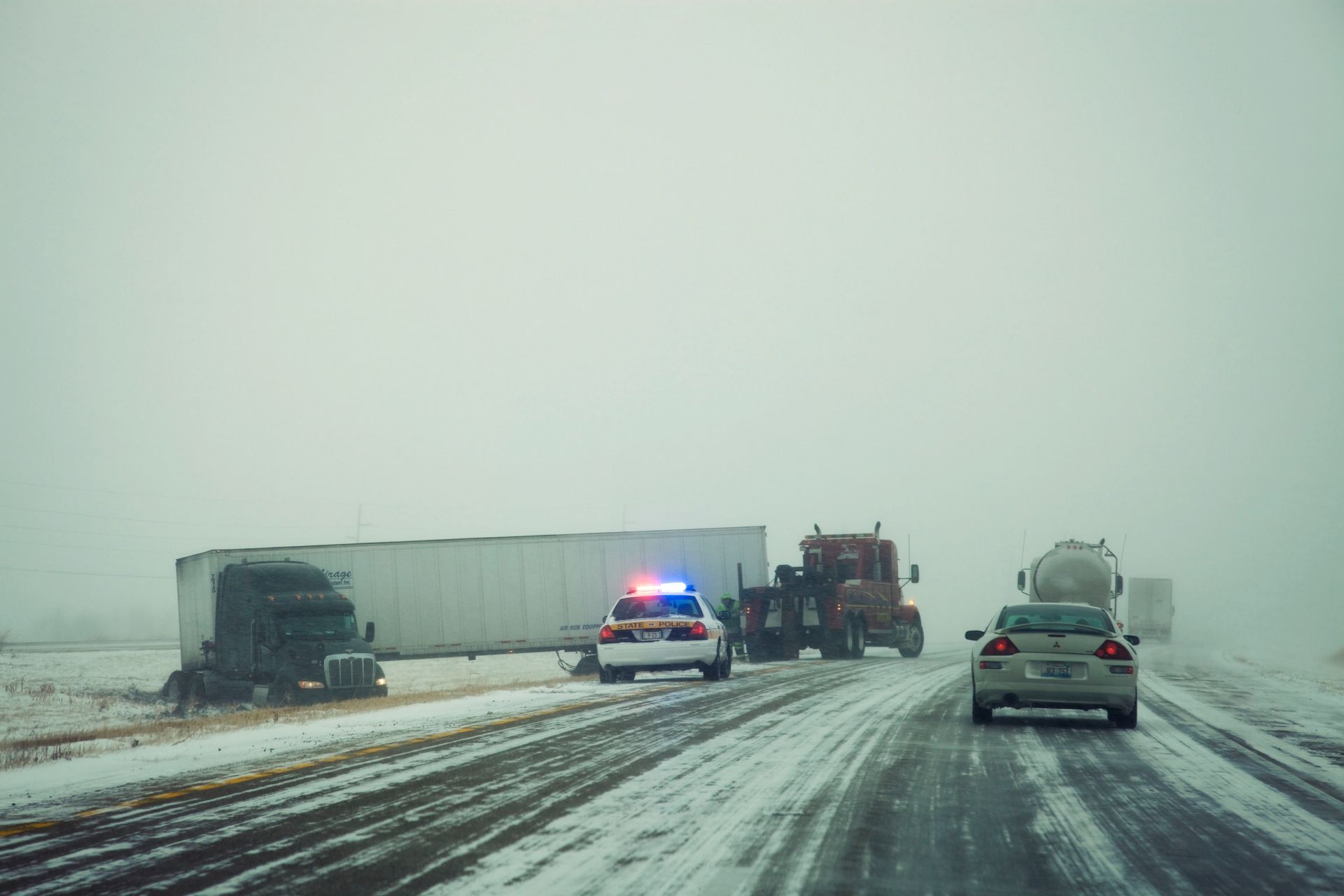
Responding to overturned or immobile semi-trucks often presents some of the most challenging scenarios for semi towing services. Specialized rotator tow trucks are frequently employed in such situations owing to their ability to maneuver and lift substantial loads from awkward positions. Successful recovery involves meticulous planning and precise execution to prevent further damage to the vehicle or property. In many cases, the presence of cargo necessitates additional considerations to secure goods and prevent loss.
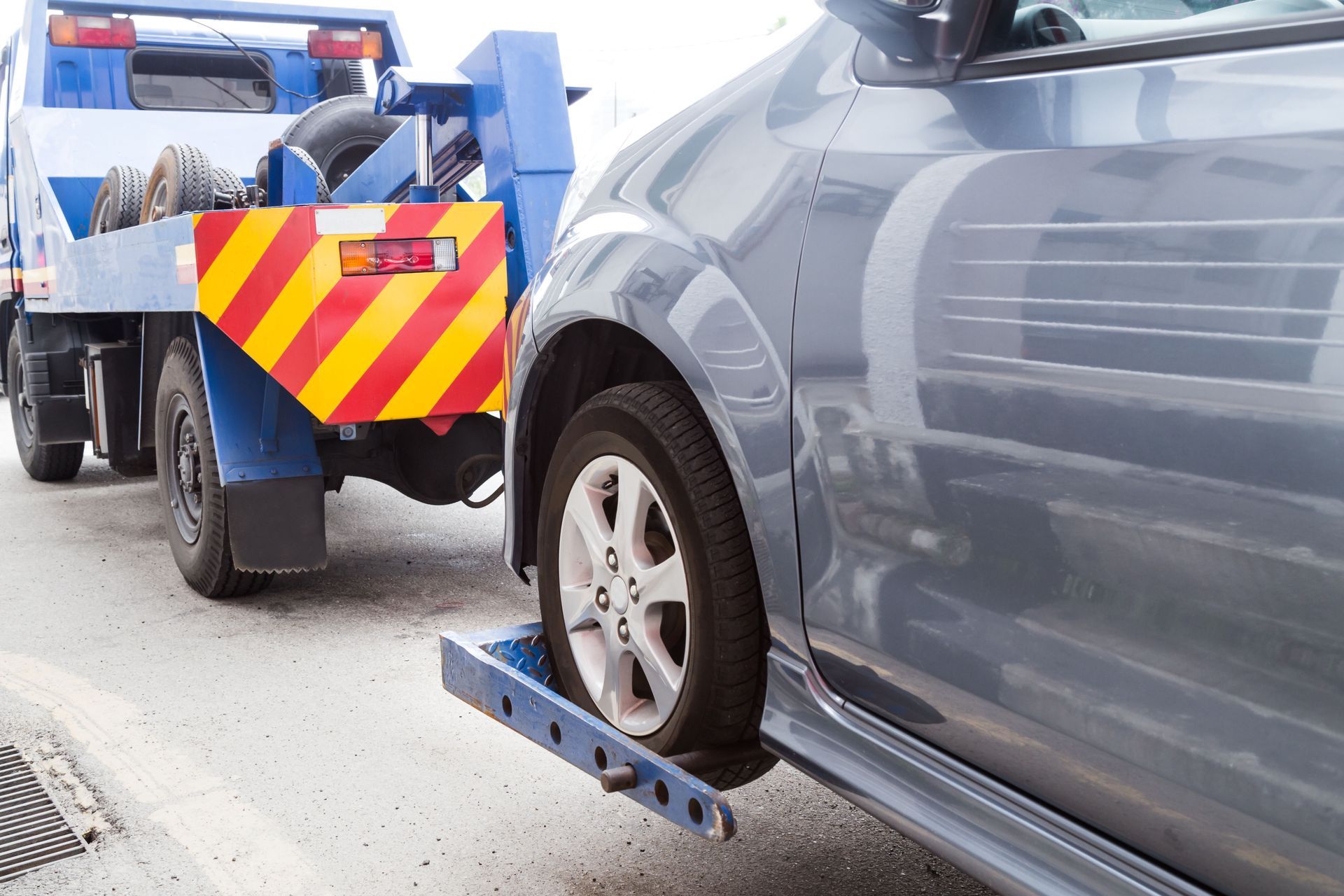
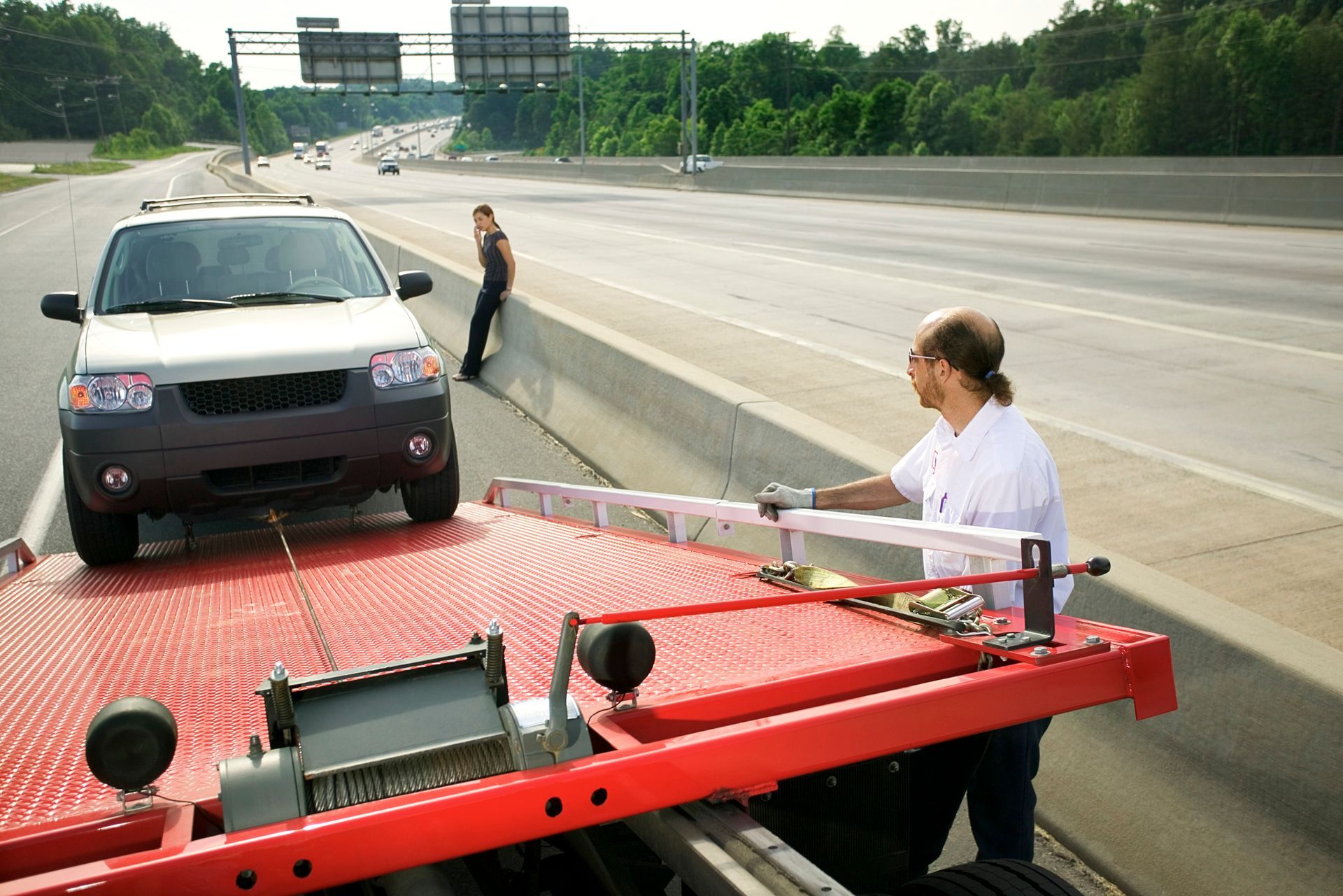
Operators must assess environmental impacts, navigation complexities, and potential hazards specific to various terrains to execute safe recoveries. Advanced GPS and mapping technologies can assist operators in planning efficient routes and overcoming logistical obstacles presented by difficult locations. Transporting damaged semi-trucks involves significant precautions to avoid exacerbating existing damage or introducing new issues during transit. Flatbed tow trucks are commonly employed to transport impaired vehicles securely from accident scenes to repair facilities. Properly securing the vehicle on the flatbed is crucial, incorporating heavy-duty restraints to prevent movement throughout the journey.
4. Evaluate Costs and Pricing for Services
Towing costs can vary based on several factors, from the complexity of the operation to the distance covered. The size and weight of the towed vehicle directly impact the equipment and manpower needed, influencing the overall cost of semi towing services. Additionally, situational factors, such as the location of the incident and the required response time, can affect pricing models. More intricate recoveries, like those involving hazardous materials or difficult terrain, often incur higher fees.
Some towing services may offer flat-rate options based on common recovery scenarios, providing predictability for clients. Alternatively, others may implement variable pricing based on time, distance, and complexity factors specific to each incident. Companies may also incorporate additional charges for specific services such as winching or hazardous material handling. Evaluating these pricing structures allows clients to select services that balance cost-effectiveness with the desired level of service and reliability.
5. Review Advances and Innovations in Technology
Modern semi towing services increasingly rely on GPS and tracking technologies to enhance efficiency and service quality. These innovations enable real-time monitoring of tow truck locations, optimizing dispatch decisions and response times. GPS integration ensures precise navigation and route planning, facilitating timely arrivals at incident locations. Tracking systems further allow clients to receive updates on their vehicle's status, providing transparency and peace of mind.
These vehicles offer reduced carbon emissions and fuel efficiency, aligning with global sustainability goals while maintaining performance standards. Electric tow trucks are particularly beneficial in urban and noise-restricted zones, offering quieter operations compared to traditional diesel engines. While currently limited in lift capacity, continuous innovations are expected to expand their applicability to heavier towing operations.
6. Choose the Right Semi Towing Provider
When selecting semi towing services, researching reputable companies is fundamental for ensuring satisfactory service. Online resources, including official websites, industry forums, and review platforms, provide insight into a company's reliability and customer satisfaction. It's wise to verify a company's adherence to state regulations and business accreditations signifying industry standards compliance.
Inquiries should include specifics of the service provided, including towing capability, response time, and fee structure. Clarifying the extent of insurance coverage and liability protections is also crucial to avoid unforeseen expenses post-service. Additionally, understanding the qualifications of the operators and the technology employed can provide assurance of professional and safe service. Reading reviews and testimonials from previous clients is an effective approach to gauging a towing company's performance and reliability.
Understanding the various facets of the towing industry—from the sophisticated machinery used to the complex legal and safety standards required—empowers truck owners and fleet managers. When the unexpected happens on the road, knowing what to look for in a service provider ensures that your vehicle is handled with the highest level of professionalism and care. The evolution of this industry continues to be driven by a commitment to safety, efficiency, and technological integration, ensuring that the heavy-duty transport sector remains resilient in the face of any roadside challenge.
By prioritizing expertise and rapid response, you can minimize the impact of mechanical failures and focus on getting your operations back on track. If you find yourself in need of reliable assistance, please contact us at Quality Auto Repair & Towing for all your heavy-duty needs.