When you imagine the roadside landscape, a towing service likely occupies a small, utilitarian corner of your mind, appearing only during moments of vehicular distress. However, beneath the surface of this essential industry lies a complex, high-stakes ecosystem filled with hidden data, specialized technological advancements, and unexpected operational challenges that most motorists never consider. Far from simply hauling broken-down cars to the nearest mechanic, the modern industry involves intricate logistics, rigorous safety standards, and a volume of activity that reflects the broader state of transportation in our country.
Evaluating The Massive Scale Of Daily Operations
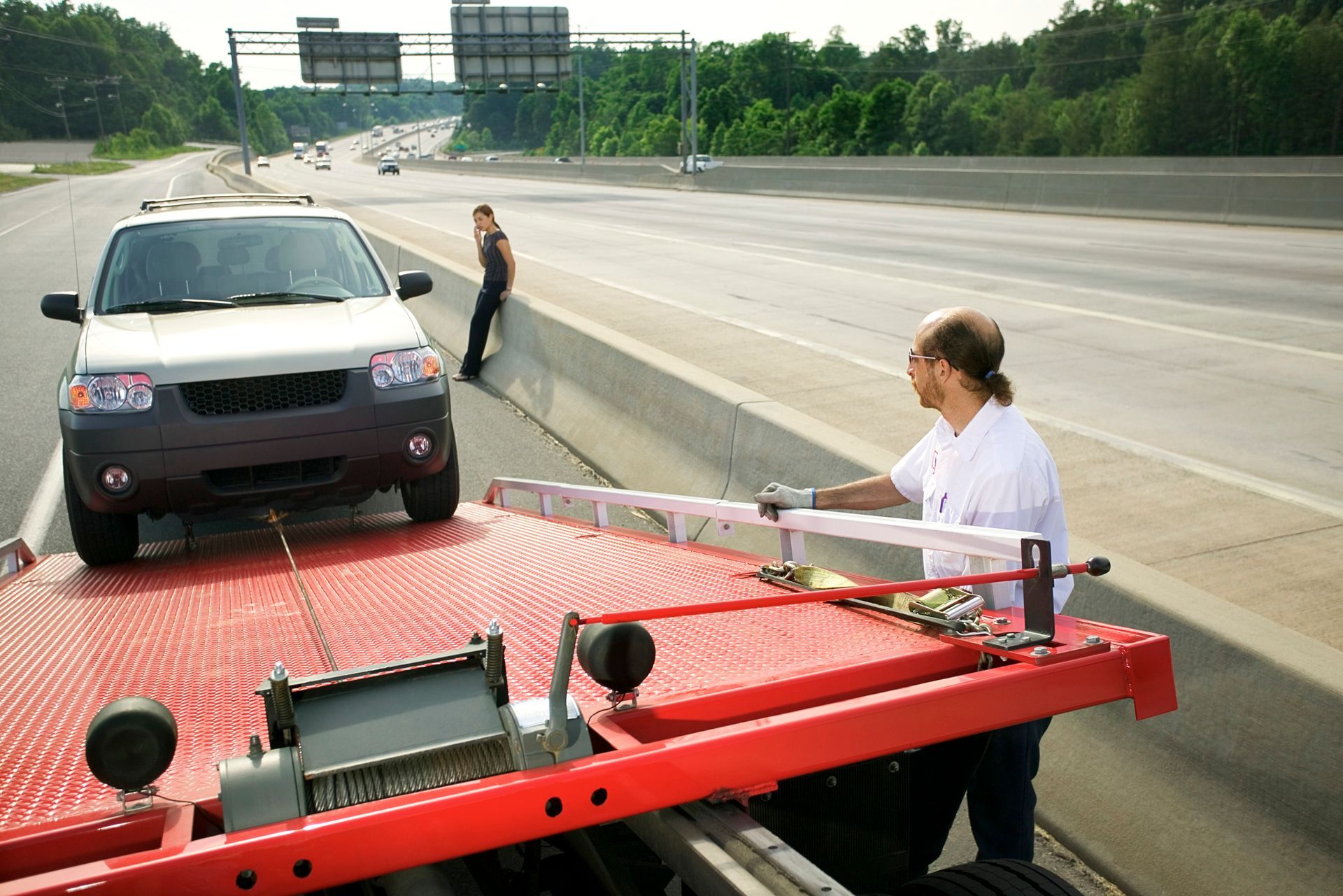
It is easy to overlook just how essential the logistics of moving automobiles are until you are personally stranded on the side of a busy highway. Across the United States, an immense machinery of flatbeds, wheel-lifts, and integrated tow trucks operates around the clock to keep traffic flowing and assist motorists in need. According to LookUpAPlate, an estimated 55,000 vehicles are towed daily in America, and this number is poised to grow, considering the average age of a vehicle in America is 12.1 years. This steady increase in the average age of passenger cars creates a continuous demand for reliable recovery, as older vehicles naturally face more frequent mechanical failures, transmission issues, and electrical gremlins that render them immovable.
Because this demand is both consistent and widespread, the industry has evolved into a highly responsive network that functions like an emergency medical system for cars. Every time a driver calls a professional towing service, a rapid-response protocol is initiated, requiring dispatchers to coordinate with drivers who are already navigating complex traffic patterns. This massive daily volume does not just represent broken vehicles; it reflects a critical service that prevents massive gridlock and ensures that hazardous road obstructions are cleared swiftly. Understanding this sheer scale helps put into perspective why the availability of reliable recovery companies is a cornerstone of modern urban planning and highway safety.
Analyzing The Sophisticated Evolution Of Recovery Equipment
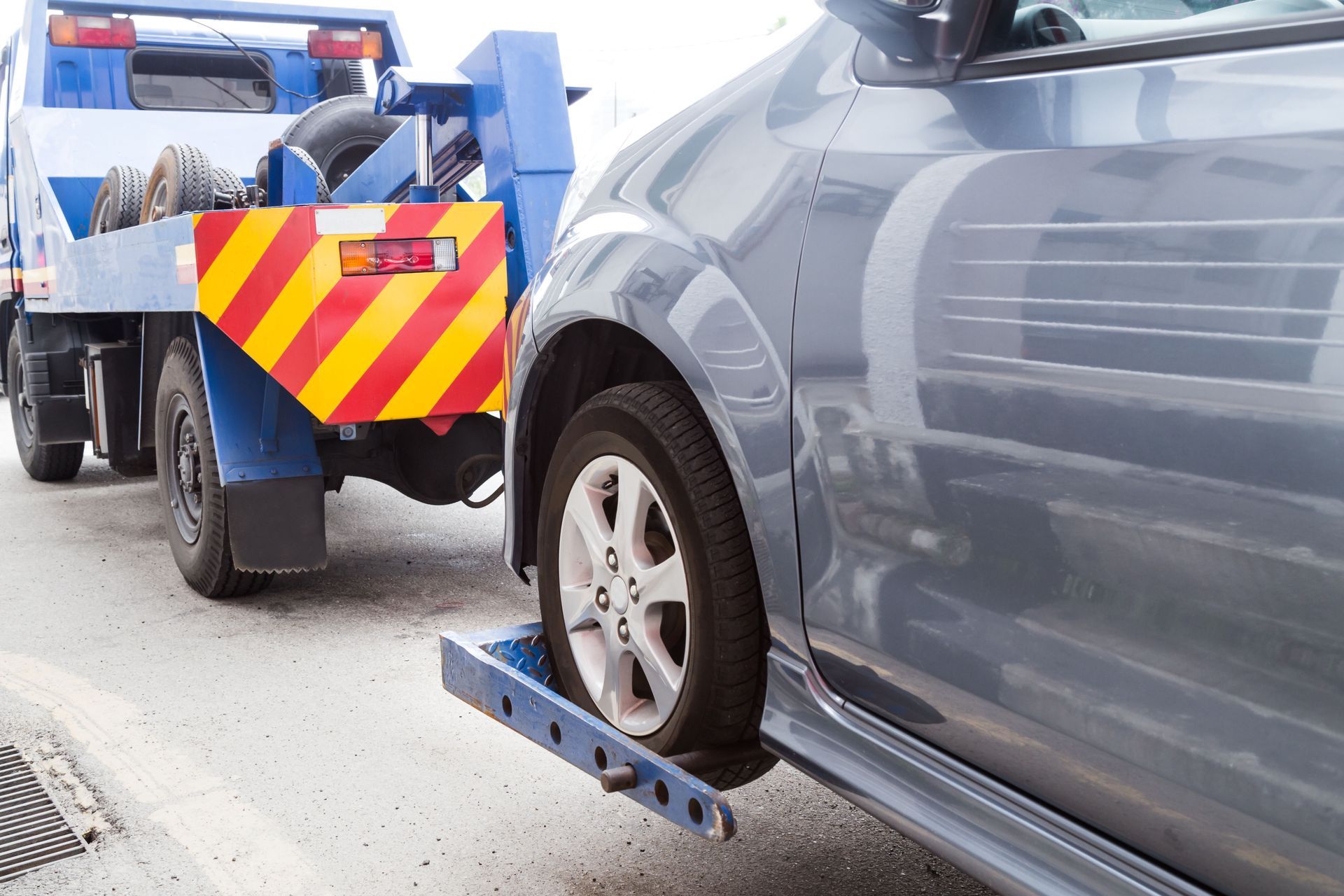
The days of simply hooking a chain to a bumper and hoping for the best are long gone, as today's equipment represents the pinnacle of automotive engineering and safety design. Modern trucks are essentially mobile platforms equipped with hydraulic systems, computerized sensors, and precise stabilization tools designed to prevent damage to expensive, low-clearance modern vehicles. Many trucks now utilize specialized "low-angle" loading techniques that ensure even the most delicate luxury sports cars can be loaded onto a flatbed without making any contact with the vehicle's bodywork or underside, which is a significant technical leap from the rough handling of decades past.
This focus on technological sophistication means that the role of an operator has changed from a brute-force laborer to a highly trained technician who must understand the unique mechanics of various vehicle types. When you contact a reputable towing service, the dispatch team often asks for the make, model, and condition of your vehicle for a reason: they need to select the right equipment to ensure zero-damage recovery. This requirement for specialized knowledge is why the industry continues to invest heavily in advanced training and better machinery, ensuring that the act of moving a car, no matter how damaged, is performed with surgical precision and absolute care.
Mastering The Complex Regulations Governing The Industry
Navigating the legal landscape of the recovery industry is surprisingly difficult, as regulations can change dramatically from one municipality to the next, and sometimes even between neighboring city streets. These rules exist primarily to protect consumers from predatory practices, but they also serve to define the professional responsibilities of companies operating within their jurisdictions. Licensing requirements, maximum allowable fees for specific services, and strict protocols for how long an impounded vehicle must be held before legal disposition can take place are all part of a rigorous, state-sanctioned framework designed to maintain order in what could otherwise be a chaotic and unregulated sector.
Furthermore, these regulations often extend to the insurance requirements for a towing service, which must maintain high levels of liability coverage to protect themselves, their employees, and the vehicles they are transporting. Operators are frequently required to undergo background checks and maintain clean driving records, highlighting the professional standards expected of those who interact with the public during stressful situations. Understanding these regulatory hurdles clarifies why pricing can sometimes seem varied; companies are absorbing the substantial costs of compliance, professional certification, and specialized insurance, all of which are essential for providing a safe and legal operation for every customer they serve.
Understanding The Unseen Challenges Of Heavy-Duty Recovery
Beyond the everyday requests for jumpstarts or flat tires, there exists an entire segment of the industry dedicated to heavy-duty recovery, which involves semi-trucks, buses, and construction equipment that weigh tens of thousands of pounds. This specialized work requires massive rotating cranes, immense winches, and operators who are experts in physics, as the center of gravity and weight distribution of these vehicles make recovery operations inherently dangerous. When a tractor-trailer jackknifes, the cleanup process is not just about clearing a lane; it is a complex engineering feat that requires careful planning and maneuvering to prevent further damage to the cargo, the road infrastructure, and the environment.
The stakes in these scenarios are incredibly high, often involving hazardous material mitigation and the coordination of local police, fire departments, and environmental agencies. A towing service specialized in heavy-duty recovery acts as an extension of emergency management, often working in the middle of the night or under severe weather conditions to restore normalcy to major transportation arteries. The level of grit, endurance, and technical expertise required for this facet of the job is staggering, and it highlights the hidden heroism involved in managing the most critical infrastructure failures that occur on our roadways every single day.
Investigating The Hidden Data Behind Motorist Behavior
Interestingly, industry data reveals patterns in motorist behavior that correlate with seasonal changes, holiday travel, and even economic trends, turning recovery companies into unwitting observers of societal movement. For instance, there is a marked spike in service calls during the first major cold snaps of the year, as plummeting temperatures reveal underlying battery issues that had been lurking, unnoticed, during the milder months. Similarly, summer heatwaves lead to an increase in cooling system failures, proving that the environment dictates the urgency and frequency with which the average driver needs to reach out for help.
By tracking this data, a well-organized towing service can actually predict demand, positioning their fleet in strategic locations to decrease response times for the benefit of the community. This analytical approach to a traditionally hands-on field demonstrates how data science is permeating even the most mechanical of industries, making the process of getting help faster and more efficient than ever. It turns out that the simple act of calling for assistance is actually part of a much larger, highly predictable pattern that companies leverage to optimize their operations and provide better service to stranded motorists across the country.
Acknowledging The Essential Nature Of The Industry
In conclusion, the world of professional recovery is far more intricate and vital than most people ever pause to consider during their daily commutes. From the complex legal and regulatory frameworks to the incredibly sophisticated machinery required to move modern vehicles without a scratch, this industry operates as an essential, high-functioning backbone for our transportation infrastructure. The sheer volume of daily service calls, driven by the aging demographic of vehicles on the road, demonstrates that this is not a luxury service, but a fundamental requirement for maintaining order and safety in an increasingly mobile society.
The professionals who provide this support perform a service that is often stressful, frequently dangerous, and always necessary, standing ready to assist at any hour of the day or night. When you next find yourself in need, remember that behind the truck arriving to assist you is a complex network of training, technology, and logistical planning, all designed to get you back on your way. Recognizing the hard work, precision, and critical role that a towing service plays in our lives allows us to appreciate the vital, often unseen support system that keeps our highways functional, safe, and efficient for every traveler on the road. If you ever find yourself in need of a towing service in the Omaha, NE area, contact the professionals at Quality Auto Repair & Towing for all your towing needs.